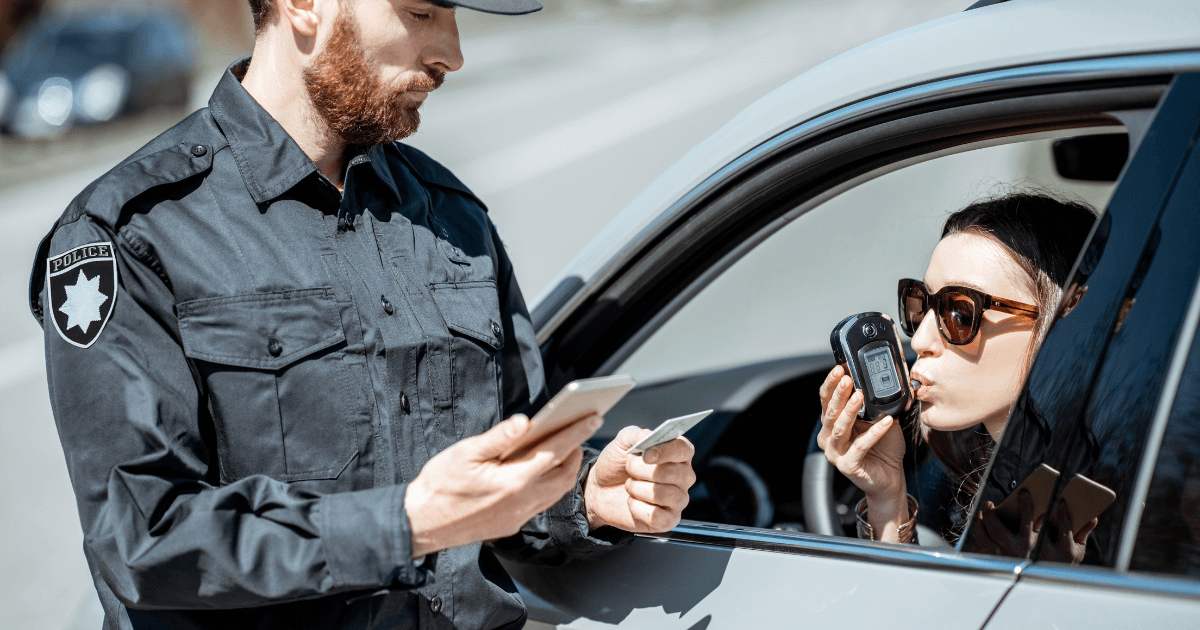
NY VTL 1192(4-a) is Driving While Ability Impaired by the Combined Influence of Drugs or Alcohol and Any Drug or Drugs. This law makes it illegal to operate a vehicle when your ability to drive is impaired by the combined influence of alcohol and drugs, even if neither substance alone would result in impairment. You can be charged even if your blood alcohol content (BAC) is below .08% or if you took prescription medication exactly as directed.
At The Kugel Law Firm, New York DWI defense lawyer Rachel Kugel defends drivers facing combined influence charges throughout Manhattan and New York City. Whether you were arrested on the FDR Drive, in Harlem, or anywhere in Manhattan, we understand the specific procedures at Manhattan Criminal Court and the Manhattan District Attorney’s Office.
This guide explains what VTL 1192(4-a) prohibits, the penalties you face, how this charge differs from other DWI offenses, and the defenses available to fight the charge.
What Does VTL 1192(4-a) Prohibit?
Under New York Vehicle and Traffic Law § 1192(4-a), no person shall operate a motor vehicle while their ability to operate that vehicle is impaired by the combined influence of drugs or of alcohol and any drug or drugs. This statute recognizes that mixing substances creates impairment that neither substance alone would cause.
The law applies when prosecutors can show that the combination of alcohol and drugs impaired your physical and mental abilities. New York courts interpret impairment as a reduction in your physical or mental abilities, even if slight. Prosecutors do not need to prove intoxication, only that your ability to drive was impaired by the combined effect of alcohol and/or drugs.
Here’s what makes VTL 1192(4-a) different: you can be charged even when your BAC is below the legal limit, and you took medication as prescribed. If you had two drinks at dinner and then drove home after taking your prescription pain medication, prosecutors can charge you under this section if they believe the combination affected your driving.
Key Takeaway: VTL 1192(4-a) prohibits driving when your ability is impaired by the combined influence of alcohol and drugs. You can be charged if prosecutors believe the combined effect of the substances impaired your ability to drive, even if your BAC is below 0.08% or you took your medication as prescribed.
How Does VTL 1192(4-a) Differ from Other DWI Charges?
New York has several different DWI and DWAI offenses, and understanding the differences matters for your defense.
VTL 1192(4-a) vs. VTL 1192(3) (DWI)
VTL 1192(3) is Driving While Intoxicated based on alcohol. Prosecutors must prove you were intoxicated by alcohol, which is a higher standard than impairment. Intoxication means you consumed alcohol to the point where you could not employ the physical and mental abilities expected of a reasonable driver.
VTL 1192(4-a) requires proof only of impairment, not intoxication. Impairment is any effect on your abilities, no matter how slight. Because the impairment standard is lower, prosecutors often charge VTL 1192(4-a) when they believe alcohol and drugs were both involved but cannot prove full intoxication.
VTL 1192(4-a) vs. VTL 1192(4) (DWAI-Drugs)
VTL 1192(4) is Driving While Ability Impaired by Drugs. That statute applies when impairment comes from drugs alone, with no alcohol involved. VTL 1192(4-a) applies specifically when both alcohol and drugs contribute to the impairment.
Prosecutors often charge VTL 1192(4-a) when they have evidence of both drinking and drug use. For example, if you register a BAC of .04% (below the legal limit) and admit taking medication, prosecutors may charge the combined influence statute rather than a standalone alcohol or drug charge.
VTL 1192(4-a) vs. VTL 1192(2) (Per Se DWI)
VTL 1192(2) is per se DWI, which applies when your BAC is .08% or higher. The BAC alone proves the violation, regardless of whether you appeared impaired. VTL 1192(4-a) does not rely on a specific BAC threshold. Prosecutors must prove actual impairment from the combined substances.
This difference matters because prosecutors might charge VTL 1192(4-a) when your BAC is below .08% but they believe the combination of alcohol and medication affected your driving.
Key Takeaway: VTL 1192(4-a) is unique because it applies to the combined influence of alcohol and drugs. It requires proof of impairment (a lower standard than intoxication) but does not require a specific BAC level. Prosecutors use this charge when both substances are involved.
What Are the Penalties for VTL 1192(4-a)?
VTL 1192(4-a) is a misdemeanor for a first offense. The penalties increase substantially if you have a prior DWI-related conviction within the past ten years.
| Offense Level | Classification | Jail Time | Fine | License Action |
|---|---|---|---|---|
| First Offense | Misdemeanor | Up to 1 year | $500 – $1,000 | Minimum 6-month revocation |
| Second Offense (within 10 years) | Class E Felony | Up to 4 years | $1,000 – $5,000 | Minimum 1-year revocation |
Beyond the criminal penalties, a conviction under VTL 1192(4-a) triggers additional consequences. The New York Department of Motor Vehicles (DMV) will assess a Driver Responsibility Assessment of $250 per year for three years. You must complete the Impaired Driver Program (IDP), formerly called the Drinking Driver Program, which includes alcohol and drug screening and education.
While an Ignition Interlock Device (IID) is mandatory for certain DWI convictions, it is not automatically required under VTL 1192(4-a). However, a court may still impose it depending on the circumstances..
Manhattan Criminal Court at 100 Centre Street handles most misdemeanor DWI cases in Part E on the 4th floor. If your case involves a prior conviction and is charged as a felony, it will be transferred to the New York County Supreme Court for grand jury proceedings.
Insurance companies will raise your rates significantly after a conviction. Many insurers treat any DWI or DWAI conviction the same, regardless of the specific statute. You can expect rate increases that last for years.
Key Takeaway: A first offense under VTL 1192(4-a) is a misdemeanor with up to one year in jail, a fine of $500 to $1,000, and license suspension. A second offense within ten years becomes a Class E felony with up to four years in jail and a fine of $1,000 to $5,000.
What Must Prosecutors Prove to Convict You?
Before a judge or jury can convict you of violating VTL 1192(4-a), prosecutors must prove each element of the offense beyond a reasonable doubt.
The elements are:
- You operated a motor vehicle
- Your ability to operate the motor vehicle was impaired
- The impairment resulted from the combined influence of drugs or of alcohol and any drug or drugs
Operating a motor vehicle means you were driving or had actual physical control of the vehicle. Operating includes more than just driving down the road. Courts have found that sitting in the driver’s seat with the engine running constitutes operation, even if the vehicle is parked.
Impairment means your physical and mental abilities were affected to any extent. Prosecutors typically prove impairment through officer observations of your driving, your physical appearance (bloodshot eyes, slurred speech), your performance on field sobriety tests, and chemical test results. The standard for impairment is lower than the standard for intoxication.
Combined influence means both substances together caused the impairment. Prosecutors must show you had both alcohol and drugs in your system and that the combination affected your abilities. They often rely on blood test results showing the presence of both alcohol and drugs, combined with officer testimony about your behavior.
The prosecution does not need to prove you intended to drive while impaired. VTL 1192(4-a) does not require proof of intent. The fact that you took medication as prescribed or did not know the medication would interact with alcohol is not a defense to the charge, though it may affect negotiations with prosecutors.
Key Takeaway: Prosecutors must prove you operated a vehicle while your ability was impaired by the combined influence of alcohol and drugs. They typically rely on field sobriety tests, officer observations, and chemical test results showing both substances in your system.
Can You Be Charged Even If You Took Prescription Medication Properly?
Yes. Many drivers are shocked to learn they can be charged under VTL 1192(4-a) even when they took prescription medication exactly as their doctor directed.
The law focuses on whether your ability to drive was impaired, not whether you used the substances legally. Common prescription medications that can lead to charges when combined with alcohol include pain medications (opioids), anti-anxiety medications (benzodiazepines), sleep aids (Ambien, Lunesta), muscle relaxants, and certain antidepressants.
Even over-the-counter medications can create problems when combined with alcohol. Cold medications containing antihistamines, sleep aids like Benadryl, and pain relievers can enhance alcohol’s effects. If you took cold medicine before having a drink at dinner and then drove, you could face charges under this statute.
Prosecutors do not need to prove you knew the medications would interact with alcohol. They only need to show that the combination impaired your driving. However, the fact that you took medication as prescribed is relevant to negotiations. Defense attorneys often use this fact to negotiate reduced charges or favorable plea agreements.
Many drivers assume that because their medication is legal and prescribed, they cannot be charged with impaired driving. This assumption is wrong. The statute applies to any drug, whether illegal, prescription, or over-the-counter. What matters is the combined effect on your ability to drive.
Key Takeaway: You can be charged under VTL 1192(4-a) even if you took prescription medication exactly as prescribed. The law focuses on whether the combination of alcohol and medication impaired your driving, not whether you used the substances legally.
DWI Defense Attorney in Manhattan – The Kugel Law Firm

What Defenses Are Available to VTL 1192(4-a) Charges?
Several defenses can challenge VTL 1192(4-a) charges. The strength of each defense depends on the specific facts of your case.
Illegal Traffic Stop
Police must have reasonable suspicion to pull you over. If the traffic stop was illegal, all evidence obtained afterward may be suppressed. Your attorney can challenge the stop by arguing that the officer lacked reasonable suspicion that you violated a traffic law or that your driving was impaired.
For example, if the officer pulled you over for a minor infraction like a broken taillight and then investigated you for DWI without additional evidence of impairment, the stop may be challenged. Suppressing the evidence from an illegal stop often results in the charges being dismissed.
Insufficient Evidence of Impairment
Prosecutors must prove your abilities were actually impaired. If you performed well on field sobriety tests, spoke clearly, and drove without issue, your attorney can argue that the evidence does not support a finding of impairment. The fact that both alcohol and drugs were present in your system does not automatically prove impairment.
Chemical test results showing low levels of both substances may support an argument that you were not impaired. Your attorney may also present evidence that you have a tolerance to the medication or that the medication levels were within therapeutic ranges.
Lack of Combined Influence
VTL 1192(4-a) requires proof that both substances together caused the impairment. If the evidence shows only one substance affected you, prosecutors should have charged you under a different statute. Your attorney can argue that the blood test results or officer observations do not support a finding of combined influence.
For instance, if your BAC was .02% (very low) and the medication in your system was at therapeutic levels, your attorney might argue neither substance alone would cause impairment and the combination did not either.
Chemical Test Errors
Blood tests can be challenged for laboratory errors, improper storage, or contamination. Your attorney can request laboratory reports and challenge the testing procedures. If the blood sample was not properly preserved or the lab made errors, the test results may be suppressed.
Breath tests are not typically used for drug detection, but if prosecutors rely on breath test results for alcohol combined with officer observations for drugs, your attorney can challenge the reliability of the observations.
Rising Blood Alcohol
If you consumed alcohol shortly before driving, your BAC may have been rising when you drove, but reached higher levels by the time you were tested. This «rising blood alcohol» defense argues you were not impaired while driving, even though the test showed alcohol in your system later.
Key Takeaway: Common defenses to VTL 1192(4-a) charges include challenging the legality of the traffic stop, arguing insufficient evidence of impairment, disputing the combined influence element, challenging chemical test accuracy, and presenting a rising blood alcohol defense.
How Does the Court Process Work for VTL 1192(4-a) Cases?
After your arrest in Manhattan, you will be taken to the local precinct for processing. You will then be transported to Manhattan Criminal Court at 100 Centre Street for arraignment. Arraignment typically happens within 24 hours of arrest.
At arraignment, you appear before a judge who reads the charges against you. The judge sets bail or releases you on your own recognizance. For most first-offense misdemeanor cases, judges release defendants without bail. The Manhattan District Attorney’s Office will be present, and your attorney (if you hired one) can argue for favorable bail conditions.
Your case will be adjourned to a future date. Most misdemeanor DWI cases are heard in Part E on the 4th floor of 100 Centre Street. Your attorney will receive the discovery materials from the District Attorney’s Office, which include the police report, chemical test results, and any video evidence.
Your attorney will review the evidence and discuss your options. Options typically include negotiating a plea agreement, pursuing a reduction to a lesser charge, or proceeding to trial. The Manhattan DA’s Office often makes plea offers early in the case, but these offers can be improved with strong legal arguments and evidence challenges.
If you proceed to trial, the case will be heard before either a judge or a jury. Trials for VTL 1192(4-a) cases typically focus on whether prosecutors can prove impairment from the combined influence of substances. Your attorney will cross-examine the arresting officer, challenge the chemical test results, and present evidence supporting your defense.
Key Takeaway: Manhattan VTL 1192(4-a) cases are heard at Manhattan Criminal Court at 100 Centre Street. The process includes arraignment, discovery exchange, negotiations with the District Attorney’s Office, and either a plea agreement or trial.
Get Help from a Manhattan DWI Defense Lawyer
Facing VTL 1192(4-a) charges can affect your license, your freedom, and your future. The combination of criminal penalties and administrative consequences makes these cases serious, even for first offenders. Mistakes at any stage can result in harsher penalties or lost opportunities for reduced charges.
New York DWI lawyer Rachel Kugel has defended hundreds of clients facing drunk driving charges throughout Manhattan and New York City. At The Kugel Law Firm, our DWI defense attorneys handle every aspect of your case, from arraignment at Manhattan Criminal Court to DMV hearings at the NYC DMV office. We challenge illegal stops, question chemical test results, and negotiate with the Manhattan District Attorney’s Office to protect your rights.
Call The Kugel Law Firm at (212) 372-7218 for a free strategy session. Our office is located at 111 E 125th Street Fl 2, New York, NY 10035, and we serve clients throughout Manhattan, Harlem, and all of New York City. We don’t judge you, we don’t lecture you, we defend you.