
We use cookies to improve your experience on our site. By using our site, you consent to the use of cookies. Rejecting cookies will prevent non-essential cookies from loading.
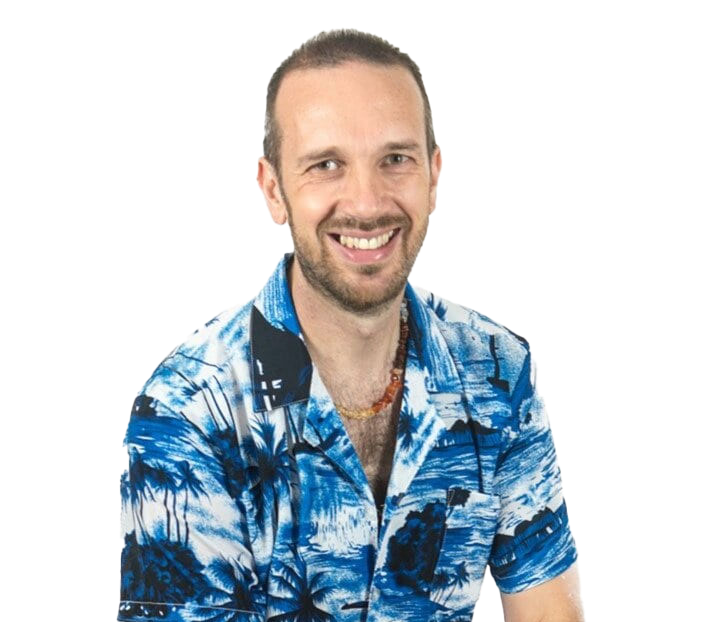
In this episode of Rachel Defends You, Rachel Kugel of The Kugel Law Firm sits down with life coach and NLP practitioner Paul Stevenson to explore how mindset and subconscious beliefs shape our decisions and behaviors. Paul shares his unique journey—from running a family flower business and teaching dance across the UK to working in the charity sector helping individuals struggling with addiction, trauma, and homelessness. Through these experiences, he discovered the power of neuro-linguistic programming (NLP) and now uses it to help people break destructive patterns, build confidence, and create meaningful change in their lives.
Throughout the conversation, Paul explains how our childhood programming influences the way we think, react, and cope with stress. He shares simple yet powerful techniques for reframing fear, interrupting negative mental patterns, and making better choices that lead to a more fulfilling life. The discussion also touches on addiction, personal accountability, and how small daily decisions can ultimately shape our future.

Drinking alcohol is just stealing happiness from the future.
- Paul Stevenson
Founder - Pulse Proactive
Takeaways
Rachel: Hey everybody, I am Rachel Kugel and this is Rachel Defends You. We have a really exciting episode today. We have Paul Stevenson with us. Paul is a life coach, NLP practitioner, and founder of a business called Pulse Proactive. He has an incredibly interesting backstory—he began his career running a family flower business, spent a decade teaching dance, and more recently worked in the charity sector supporting people in crisis, including addiction and trauma. Through all that, he found his way to NLP (Neuro-Linguistic Programming). Paul, thank you so much for taking this time.
Paul: You’re welcome! It’s great to finally meet up with you. I’m looking forward to the next hour.
Rachel: Can you give a general synopsis of what NLP is and the work you do?
Paul: NLP is Neuro-Linguistic Programming. Neuro for neurology (the brain), Linguistic for the words we use, and Programming for the automated subconscious programs we run. Most of our decisions are automated. By age four, most researchers say our values and the way we view the world are sorted. We spend the rest of our lives proving what we believe to be true is true, even if it’s bad for us.
Rachel: I have two six-year-olds—you’re saying I’ve already messed them up?
Paul: Every parent screws up every child, it’s just a matter of how much! We pick things up from primary caregivers. If your parents were alcoholics, you might become one or become totally sober. You go one way or the other.
Rachel: I think about what I say to them as the “tape” that will run in their heads. If my son brings home art, I’ve heard you shouldn’t just say “I’m proud of you,” but ask if they are proud of themselves.
Paul: If a child brings home artwork, give them a high five. You never feel bad receiving a high five. It makes the validation internal. If you have confidence problems, high-five yourself in the mirror twice a day. After a year, that’s 700 high fives.
Rachel: That’s a brilliant tip. We were brought up with the value that you have to work hard to be good, but that’s not necessarily healthy or required anymore.
Paul: The education system was designed to produce factory workers who show up on time and put nuts on bolts. Now, we need problem solvers, but schools haven’t caught up.
Rachel: How did you find your way to NLP?
Paul: By luck! I ran the family flower nursery, then accidentally became a professional dance teacher for 10 years. Eventually, I wanted to work for a charity. I volunteered with the homeless and those with addictions. I interviewed for a job twice and told them, “I’m going to keep coming to interviews until I get the job.” They hired me. I still work for the charity, and I do life coaching on the side. I work a 60-hour week because I love it.
Paul: NLP helps people understand what’s going through their minds. For example, if someone fears spiders, I have them visualize the spider and then manipulate the image—make it smaller, turn it black and white, and move it far away. It desensitizes the fear.
Rachel: I actually had a therapist do that with me for social anxiety after 9/11! It took my fear from a 10 down to a 4.
Rachel: I deal with people in crisis, often involving legal trouble or addiction. Many deal with shame. You mentioned you have to be careful using NLP with certain populations?
Paul: You have to be careful with people with psychosis or schizophrenia because visualizations can drive a wedge between personalities. But for others, it’s powerful. I once had a woman visualize her confidence as a ball. She nurtured it until it grew into a tiger. She walked out of the room ten feet tall.
Paul: Addiction is often a symptom. We are all running away from fear and toward comfort. Alcohol works as a coping strategy, so people go back to it. My “drug” is refined sugar. It works until your brain needs more for the same dopamine hit. I used meditation to get control of “the bus” so I could drive it where I wanted.
Rachel: What about reframing? I find AA works for people because it reframes their identity. Instead of fighting the label, they own it as part of their story of change.
Paul: Environment is key. AA puts you with people you want to become like. There’s a study called “Rat Park.” Rats in a bare cage with heroin-water all became addicted and died. But rats in “Rat Park”—with toys, space, and other rats—tried the heroin-water but never became addicted. If you make your life “Rat Park,” you don’t feel the need to escape it.
Paul: People talk about work-life balance, but I prefer “Work, Rest, and Play.” If you can’t sit with yourself for five minutes without a distraction, you have a problem you need to address.
Rachel: Real happiness involves pain. Parenting is hard and painful, yet it’s what makes people happiest.
Paul: Fulfillment must be earned. Drinking alcohol is just “stealing happiness from the future”—you feel good now, but you pay for it with a hangover or legal troubles tomorrow.
Rachel: What is a final tip for someone in a bad spot trying to move on?
Paul: Make good choices. If you make 9 out of 10 good choices, you’ll have an incredible life. If you make a bad one, don’t double down. Take the first step—call your mom, go to AA, or find someone who isn’t doing “dumb stuff.” Be the “butler for your future self.” Set your future self up for success by the tiny decisions you make right now.
Rachel: Thank you so much. Where can people find you?
Paul: Facebook is my main platform. I host a free Monday night Zoom session where we just “chew the fat” on a topic. I’d love for friends from America to join us!
Rachel: I’ll link everything in the notes. Thank you, Paul!
Schedule a Free Consultation