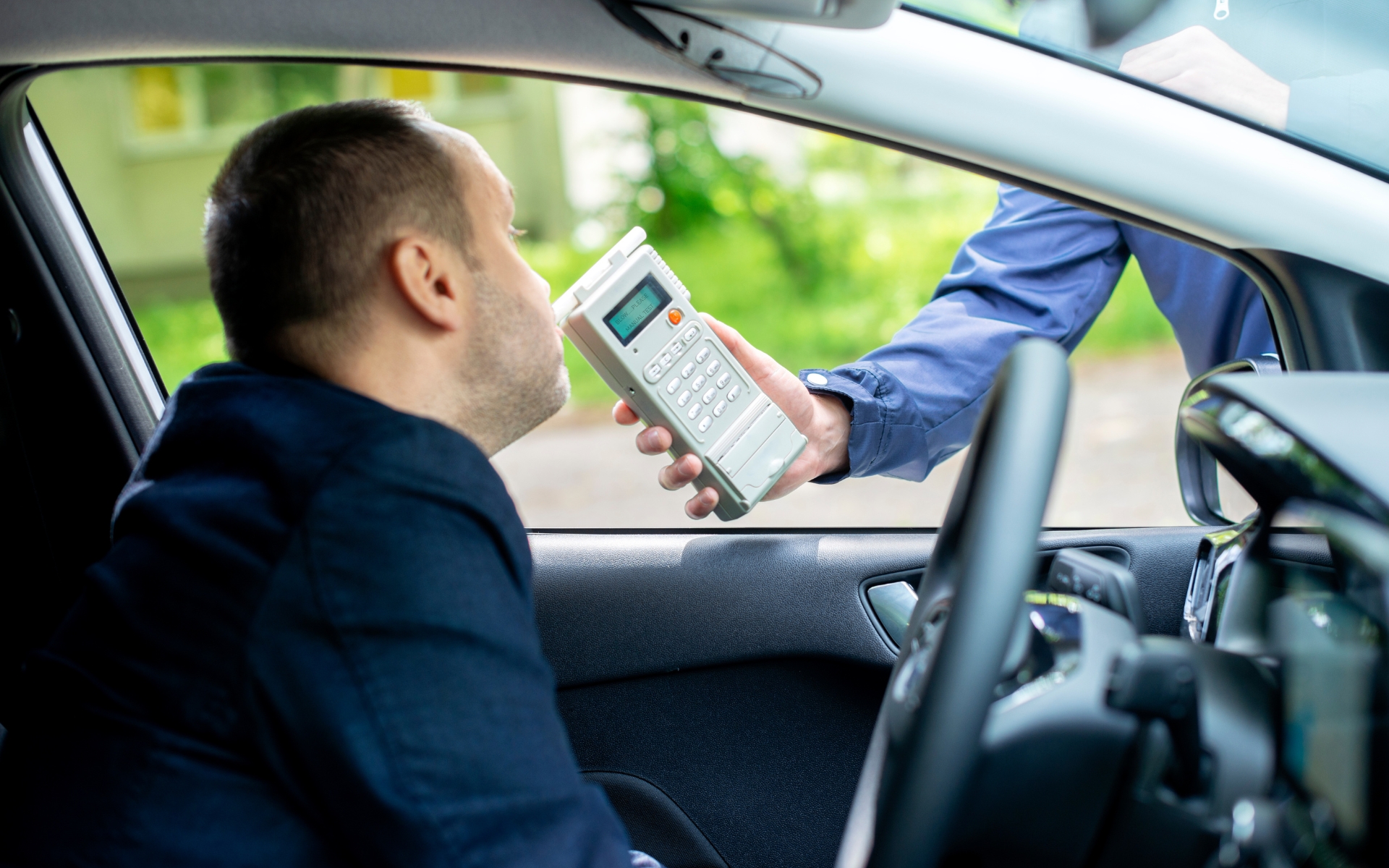
Public intoxication due to alcohol is not a crime in New York. The state decriminalized it in 1974, treating alcohol intoxication as a public health issue rather than a criminal offense. However, this does not mean intoxicated behavior has no legal consequences. If your actions while intoxicated lead to disruptive conduct, harassment, or an attempt to drive, you can face serious charges. You may be charged with Driving While Intoxicated (DWI), disorderly conduct, or violations related to drug intoxication. Public intoxication can also escalate into DWI charges if law enforcement finds you in or near a vehicle with the keys. Understanding these distinctions can help you avoid unintended legal consequences.
At The Kugel Law Firm, Manhattan DWI defense attorney Rachel Kugel represents clients facing public intoxication-related charges and DWI throughout New York City and New York. Rachel Kugel has defended hundreds of people charged with driving under the influence and related offenses. Our New York DWI defense lawyers provide guidance tailored to each client’s unique situation, whether you are dealing with a first-time DWI charge or allegations stemming from intoxicated behavior in public.
This guide explains public intoxication laws, how they differ from disorderly conduct, when it can lead to DWI charges, and what to do if you are arrested. It also covers New York DWI laws, BAC limits, penalties, and your rights. Call The Kugel Law Firm at (212) 372-7218 to speak with Rachel Kugel.
What Constitutes Public Intoxication in New York?
Public intoxication resulting from alcohol consumption is not a criminal offense under New York law. The state repealed laws criminalizing public alcohol intoxication in 1974, recognizing it as a public health concern. However, intoxication from narcotics or drugs other than alcohol is addressed differently under New York Penal Law § 240.40.
Under this statute, a person is guilty of a violation if they appear in a public place under the influence of narcotics or drugs other than alcohol to the extent that they may endanger themselves or others, damage property, or annoy persons in their vicinity. This is a violation, not a misdemeanor or felony.
Being visibly intoxicated in public from alcohol alone does not violate the law. However, if intoxicated behavior becomes disruptive or dangerous, other legal provisions apply. Law enforcement may intervene if your conduct creates a public disturbance or safety risk.
Key Takeaway: Alcohol-related public intoxication is not a crime in New York, but drug-related public intoxication under New York Penal Law § 240.40 is a violation. Your behavior while intoxicated determines whether additional charges apply.
If you have been charged with a violation related to public intoxication, Rachel Kugel can review the circumstances of your case and explain your legal options. Contact The Kugel Law Firm to discuss your situation.
Are There Legal Consequences for Public Intoxication?
While public intoxication due to alcohol alone does not constitute a criminal offense, associated behaviors can lead to legal repercussions. Engaging in actions that disrupt public order or safety may result in charges such as disorderly conduct under New York Penal Law § 240.20.
For public intoxication related to drug use, the law is more stringent. Under New York Penal Law § 240.40, appearing in public under the influence of narcotics or drugs other than alcohol to the extent of endangering oneself, others, or property, or causing annoyance, is a violation. Conviction can lead to penalties including up to 15 days in jail and a fine of up to $250.
Law enforcement officers also have the authority to take individuals into protective custody if they are found to be incapacitated due to intoxication and pose a risk to themselves or others. Such individuals may be transported to a hospital or treatment facility for emergency care. This is not an arrest but a protective measure.
Factors That Can Lead to Legal Consequences:
- Disorderly Conduct: Intentionally causing public inconvenience, annoyance, or alarm through fighting, unreasonable noise, abusive language, or obstructing traffic
- Protective Custody: Being incapacitated to the point where you cannot care for yourself or pose a danger to yourself or others
- Attempt to Drive: Getting behind the wheel or being in physical control of a vehicle while intoxicated, which can result in DWI charges
- Property Damage: Damaging property while intoxicated, leading to potential civil or criminal liability
Each of these situations can escalate beyond simple public intoxication and create lasting legal consequences. Rachel Kugel can assess your charges and determine the best defense strategy based on the specific facts of your case.
How Public Intoxication Differs from Disorderly Conduct
Public intoxication and disorderly conduct are distinct offenses with specific definitions and legal implications under New York law.
Public Intoxication
Alcohol-related public intoxication is not a criminal offense unless accompanied by disruptive behavior. Drug-related public intoxication is considered a violation if the individual is under the influence of narcotics or other non-alcoholic substances in public, leading to potential endangerment or annoyance to others.
Disorderly Conduct
Disorderly conduct is defined under New York Penal Law § 240.20. A person is guilty of disorderly conduct when, with intent to cause public inconvenience, annoyance, or alarm, or recklessly creating a risk thereof, they engage in fighting or violent behavior, make unreasonable noise, use abusive or obscene language or gestures in public, obstruct vehicular or pedestrian traffic, or create a hazardous or offensive condition without a legitimate purpose.
Unlike public intoxication, disorderly conduct focuses on the behavior’s impact on public order, regardless of whether intoxication is involved. A conviction for disorderly conduct is classified as a violation, carrying potential penalties such as fines or imprisonment for up to 15 days.
Key Differences:
| Element | PublicIntoxication | DisorderlyConduct |
|---|---|---|
| LegalStatus | Notacrime(alcohol);violation(drugs) | Violation |
| Focus | Stateofintoxication | Disruptivebehavior |
| Penalty | Upto15daysjail,$250fine(drugsonly) | Upto15daysjail,fine |
| IntentRequirement | Nointentrequired | Intenttocauseinconvenienceorrecklessness |
If you have been charged with disorderly conduct after an incident involving alcohol, the prosecution must prove that your behavior met the specific legal criteria for that charge. Rachel Kugel can challenge the evidence and argue for dismissal or reduction of charges when appropriate.
DWI Laws in New York: Legal Limits and Consequences
Driving While Intoxicated (DWI) is a serious offense under New York law with strict legal limits and significant consequences. Awareness of blood alcohol concentration (BAC) thresholds, associated penalties, and the implications of the Implied Consent Law is essential for all drivers in Manhattan and throughout New York.
Blood Alcohol Concentration (BAC) Limits for Drivers
New York defines specific BAC limits to determine intoxication levels:
- Standard drivers (21 and over): New York has a “per se” DWI rule at 0.08% BAC or higher under VTL § 1192(2). New York also has a separate DWI rule for driving “in an intoxicated condition” under VTL § 1192(3).
- Commercial drivers: New York has special commercial motor vehicle BAC offenses starting at 0.04% (VTL § 1192(5) and § 1192(6)). A commercial driver can also still be charged under the standard DWI laws, depending on the facts and BAC level.
- Drivers Under 21: Under the Zero Tolerance Law, a BAC between 0.02% and 0.07% can result in penalties
These limits are strictly enforced to promote road safety and deter impaired driving across New York City and the state.
Penalties for a DWI Conviction in New York
The consequences of a DWI conviction vary based on factors such as prior offenses and BAC levels:
- First Offense (Misdemeanor): Penalties include fines ranging from $500 to $1,000, up to one year in jail, and a minimum six-month license revocation
- Second Offense within 10 Years (Class E Felony): This carries fines between $1,000 and $5,000, up to four years in prison, and at least a one-year license revocation
- Third Offense within 10 Years (Class D Felony): Offenders face fines from $2,000 to $10,000, up to seven years in prison, and a minimum one-year license revocation
Aggravated DWI charges apply for BAC levels of 0.18% or higher under New York VTL § 1192.2-a, resulting in more severe penalties. All convicted individuals may be required to install an ignition interlock device (IID) and complete a driver rehabilitation program.
DWI Defense Attorney in Manhattan – The Kugel Law Firm

How New York’s Implied Consent Law Affects Drivers
Under New York’s implied consent law (VTL § 1194), drivers are deemed to have consented to a chemical test when the legal requirements are met, including that the driver is under arrest for a DWI-related offense. Refusing a chemical test can trigger DMV penalties that are separate from the criminal case, even if the DWI charge is later reduced or dismissed.
Penalties for Refusal:
- First Refusal: Results in a one-year license revocation and a $500 civil penalty
- Second Refusal within Five Years: Leads to an 18-month license revocation and a $750 civil penalty
These penalties underscore the importance of complying with chemical testing when lawfully requested by law enforcement officers. However, refusal does not guarantee conviction on the underlying DWI charge. Rachel Kugel can represent you in both the criminal DWI case and the administrative refusal hearing.
Key Takeaway: Refusing a chemical test triggers automatic license revocation and civil penalties under the Implied Consent Law, regardless of whether you are convicted of DWI. These administrative consequences are separate from the criminal case and require a separate defense strategy.
Contact Rachel Kugel at The Kugel Law Firm to discuss your refusal hearing and DWI defense options. Call (212) 372-7218 to schedule a consultation.
How Public Intoxication Can Escalate Into DWI Charges
Public intoxication can lead to DWI charges if law enforcement believes you operated or attempted to operate a vehicle while under the influence. Even if the vehicle is stationary, being in physical control of a vehicle with the keys can result in DWI charges under New York law.
Attempting to Operate a Vehicle
If you are publicly intoxicated and attempt to drive, you can be arrested and charged with DWI. This can apply even if you were only found in the driver’s seat with the keys, regardless of whether the vehicle is in motion. Courts in Manhattan and throughout New York have upheld DWI convictions based on physical control of a vehicle, not just actual driving.
Physical Control of a Vehicle
Being in physical control of a vehicle while intoxicated, such as sitting in the driver’s seat with the engine running, can result in DWI charges even if the vehicle is stationary. Physical control is defined broadly and can include situations where the keys are in the ignition or within reach.
Evidence of Impairment:
Observations of public intoxication can serve as evidence in DWI cases. Law enforcement officers may use behaviors exhibited during public intoxication as indicators of impairment, which can strengthen the prosecution’s case. Statements made while intoxicated, such as admitting to drinking before getting into the vehicle, may also be used as evidence.
Preventive Measures:
Individuals who are intoxicated should refrain from entering or interacting with their vehicles. Utilizing alternative transportation methods, such as taxis or rideshares, can prevent potential DWI charges. If you are unsure whether your actions could lead to DWI charges, err on the side of caution and avoid the vehicle entirely.
Rachel Kugel can challenge the prosecution’s evidence regarding physical control and operation of the vehicle. If you have been charged with DWI based on circumstantial evidence of vehicle control, contact The Kugel Law Firm to discuss your defense options.
The Intersection of Public Intoxication and DWI Offenses
Public intoxication and DWI are two separate legal issues, but there are instances where they intersect. When these situations overlap, they can complicate legal proceedings and lead to more severe consequences.
When Public Intoxication Can Lead to a DWI Investigation
Public intoxication may draw attention from law enforcement, potentially leading to an investigation into whether you have been driving under the influence. While public intoxication itself is not a criminal offense for alcohol, certain behaviors can prompt further inquiries.
Law enforcement may observe you exiting a vehicle in a public space in Harlem or Manhattan and suspect impaired driving. Witness reports of erratic driving followed by visibly intoxicated behavior in public can lead police to investigate a possible DWI. If you are found intoxicated near a parked vehicle, officers may question whether you recently drove under the influence.
Even without direct evidence of driving, circumstantial factors such as proximity to a vehicle or observations from witnesses can initiate a DWI investigation.
How Intoxicated Behavior in Public Can Escalate a DWI Case
The behavior exhibited while intoxicated in public can directly impact a DWI case. Actions taken after you leave a vehicle, whether intentional or not, may be used as evidence to support claims of impairment.
Indicators of Intoxication
If you behave erratically, such as yelling, stumbling, or becoming confrontational with law enforcement in Manhattan or anywhere in New York City, these actions may be interpreted as signs of intoxication. Officers may document your behavior in their reports, which can be used by prosecutors to establish impairment.
Refusal to Cooperate
Refusing to cooperate with officers or resisting their instructions in public can result in additional charges, such as disorderly conduct or resisting arrest, compounding the legal consequences of a DWI. These additional charges can complicate your defense and increase potential penalties.
Incriminating Statements
Statements made while intoxicated, such as admitting to drinking before driving, may be used as evidence in a DWI case. Anything you say to law enforcement can be used against you in court. It is important to exercise your right to remain silent and request an attorney before answering questions.
Rachel Kugel can review all evidence, including officer observations and statements you made, and challenge their use in your DWI case. Contact The Kugel Law Firm to discuss how to protect your rights and build a strong defense.
Law Enforcement’s Approach to Public Intoxication and DWI
Law enforcement plays a crucial role in addressing both public intoxication and DWI cases. While public intoxication itself is not a criminal offense for alcohol in New York, the actions of intoxicated individuals in public spaces may prompt police intervention. DWI laws are strictly enforced to promote public safety throughout Manhattan and New York.
How Police Handle Public Intoxication in New York
Public intoxication is generally treated as a public safety concern rather than a criminal offense. Police intervention is typically focused on ensuring the safety of the intoxicated individual and the public.
Law enforcement may engage with you if your behavior poses a risk to yourself, others, or property. If you are non-disruptive but visibly impaired, officers may take you to a safe location or contact someone to assist you, such as a friend or family member. In cases where intoxicated behavior escalates into criminal actions, such as disorderly conduct or harassment, police may detain you and pursue charges related to those offenses.
The primary goal of police in these situations is to address immediate safety concerns without necessarily treating public intoxication as a criminal matter.
Field Sobriety Tests in DWI Cases
Field sobriety tests are one of the key tools law enforcement uses to investigate suspected DWI cases. These tests help officers determine whether your physical or cognitive abilities are impaired due to alcohol or drugs.
Common field sobriety tests include the horizontal gaze nystagmus (HGN) test, the walk-and-turn test, and the one-leg stand test. Each test is designed to evaluate balance, coordination, and the ability to follow instructions. Officers often conduct these tests during traffic stops when they suspect impairment based on observations such as erratic driving, slurred speech, or the odor of alcohol.
If you fail the tests, it provides probable cause for the officer to administer a chemical breath test or make an arrest for DWI. Field sobriety tests play a critical role in building evidence for DWI cases, but their reliability can sometimes be challenged in court, especially if factors such as medical conditions or environmental conditions affect the results.
Key Takeaway: Field sobriety tests are subjective and can be challenged. Medical conditions, poor road conditions, nervousness, and improper administration of the tests can all affect your performance. Rachel Kugel can challenge the validity of field sobriety test results and seek to exclude them from evidence.
When Do Police Use Protective Custody Instead of an Arrest?
When dealing with intoxicated individuals, law enforcement distinguishes between protective custody and arrest based on the circumstances of the situation. This distinction is significant in determining whether criminal charges will follow.
Protective Custody
Police may place you in protective custody if you are deemed a danger to yourself or others. This is not considered an arrest and does not result in criminal charges. For example, if you are found wandering in a dangerous area in Manhattan while intoxicated, you might be transported to a safe location or a treatment facility.
Arrest
If intoxicated behavior violates the law, such as engaging in physical altercations, damaging property, or refusing lawful police instructions, officers may proceed with an arrest. This typically leads to charges such as disorderly conduct, harassment, or resisting arrest, in addition to any related DWI charges if applicable.
The decision between protective custody and arrest depends on the severity of the situation and whether your actions extend beyond simple impairment to criminal conduct. Understanding this distinction can help you know what to expect if you encounter law enforcement while intoxicated.
If you have been arrested after an incident involving public intoxication, contact Rachel Kugel at The Kugel Law Firm to discuss your charges and defense strategy.
The Impact of Public Intoxication and DWI on Your Record
Being charged with public intoxication or DWI can have significant repercussions that extend beyond the initial fines or penalties. Addressing these charges quickly and effectively is essential to minimizing their impact on your future.
How a DWI Conviction Affects Long-Term Consequences
A DWI conviction in New York has significant and lasting repercussions:
- Criminal Record: A DWI conviction creates a criminal record and can affect job opportunities, housing, and professional licensing. New York’s Clean Slate law can automatically seal some convictions after waiting periods, but sealing is not immediate, and there are exceptions. Do not assume a DWI will simply disappear.
- Driving Record: A prior DWI can count against you for repeat-offense penalties for at least 10 years under New York’s DWI framework. Insurance and DMV consequences can also last for years.
- License Suspension or Revocation: A first-time DWI offense can lead to a license revocation for at least six months. Subsequent offenses may result in longer revocation periods or permanent loss of driving privileges.
- Financial Penalties: Convictions carry substantial fines, legal fees, and increased insurance costs. Insurance companies may raise your rates significantly or refuse to renew your policy.
- Professional Impact: Certain professions, including those requiring professional licenses, may impose disciplinary actions or revoke licenses upon a DWI conviction, affecting career prospects. This is particularly relevant for attorneys, medical professionals, commercial drivers, and others in regulated fields.
Does Public Intoxication Leave a Permanent Record?
The implications of a public intoxication offense differ depending on the substance involved:
Alcohol-Related Public Intoxication
The state decriminalized public intoxication due to alcohol in 1974, treating it as a public health issue rather than a criminal offense. Consequently, such incidents do not result in a criminal record. However, if your behavior while intoxicated leads to other charges, such as disorderly conduct, those charges may appear on your record.
Drug-Related Public Intoxication
Being publicly intoxicated due to narcotics or other drugs is considered a violation under New York Penal Law § 240.40, punishable by up to 15 days in jail and a fine of up to $250. While this is not a criminal misdemeanor, it does result in a record of the violation that may be visible in background checks.
Local Ordinances
In New York City, the bigger local issue is usually public drinking, not “public intoxication.” For example, NYC generally prohibits drinking or possessing an open container of alcohol in public places under local law. Even though being drunk from alcohol is not a crime by itself in New York, public drinking or disruptive behavior can still lead to enforcement.
Understanding what appears on your record is crucial for employment, housing, and professional licensing purposes. Rachel Kugel can advise you on how to address violations and minimize their impact on your future.
Your Rights When Confronted by Law Enforcement For DWI or Public Intoxication
When dealing with law enforcement in situations involving DWI or public intoxication, understanding your rights is crucial to protecting your legal position.
- Right to Remain Silent: You are not required to answer questions about drinking or driving. Politely state, «I am exercising my right to remain silent,» as anything you say can be used against you.
- Right to Refuse Searches: Officers cannot search your vehicle or belongings without your consent, a warrant, or probable cause. Politely state, «I do not consent to a search.»
- Right to Legal Counsel: If detained or arrested, you can request an attorney. Once you ask for legal counsel, questioning must stop until your attorney is present.
- Field Sobriety and Chemical Tests: You can refuse field sobriety tests without immediate penalties. However, refusing a chemical test (such as a breathalyzer) after arrest can result in license suspension under New York’s Implied Consent Law.
Remaining calm and cooperative while asserting these rights is critical. Confrontational behavior can escalate the situation, potentially leading to additional charges. Knowing your rights helps you avoid unnecessary legal complications in DWI and public intoxication cases.
Speak With a Manhattan DWI Defense Lawyer Today
Charges related to DWI or public intoxication can have lasting effects on your personal and professional life. From potential criminal records to financial penalties and impacts on employment, these charges deserve careful attention and a strong defense.
Rachel Kugel has defended clients facing DWI and related charges throughout Manhattan, Harlem, and New York City. At The Kugel Law Firm, Rachel Kugel handles every aspect of DWI defense, including arraignments at Manhattan Criminal Court, refusal hearings at the Department of Motor Vehicles (DMV), and pretrial motions. She challenges breathalyzer results, field sobriety test administration, and the legality of traffic stops. Rachel Kugel also represents clients in cases involving public intoxication that escalate into DWI charges.
Call The Kugel Law Firm at (212) 372-7218 to schedule a free strategy session. Our Manhattan office at 111 E 125th Street serves clients throughout Manhattan, Harlem, and New York City. Rachel Kugel will review your charges, explain your legal options, and provide the support you need to protect your future.